April provided more opportunities for finding birds. The weather was sometimes on the cool side, but we had some luck, rewarding our hours of effort. Here’s a little sample.
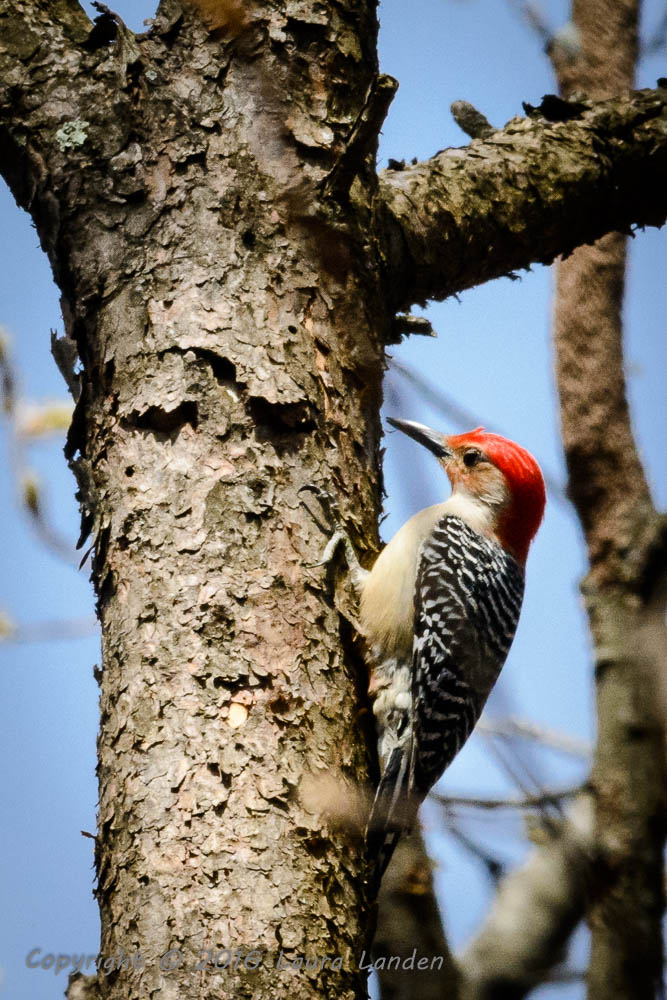
We heard this Red-bellied Woodpecker for quite a while before locating him. He was drumming on several trees and checking out various holes. Finally we spotted him, and he nicely obliged by posing in the morning sunlight. You may make a common error in thinking this is really a Red-headed Woodpecker, but it’s not. That is a different species, with an entirely red head and a black back with large white patches in the wings.
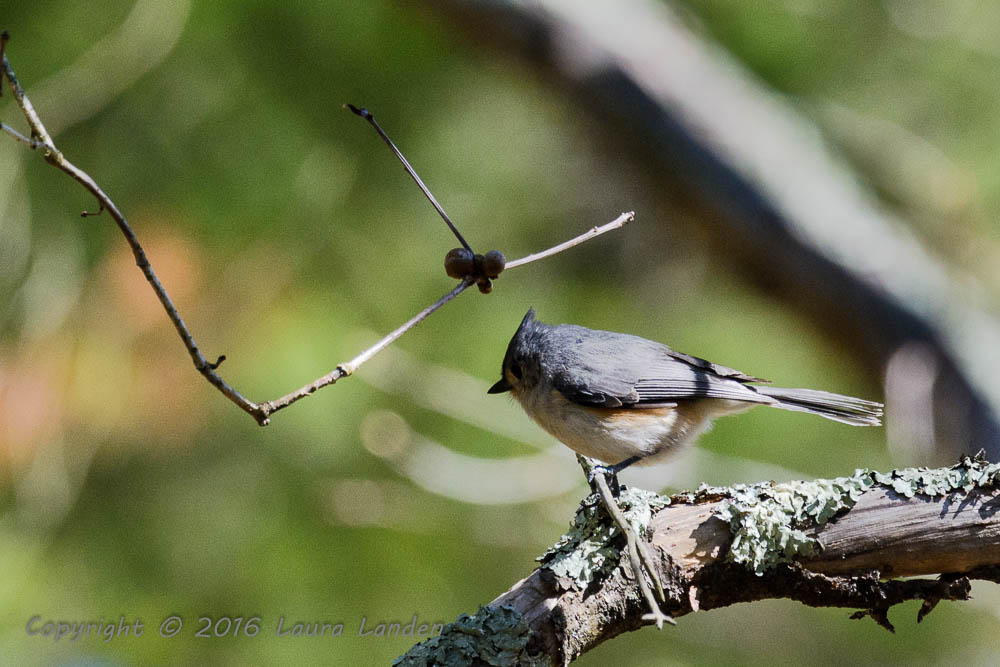
This little Tufted Titmouse is a year-round resident and a frequenter of bird feeders. Starting in the spring you can hear his ringing “Peter-Peter, Peter-Peter” call throughout the forest. They are cavity nesters, so check out holes you find, especially in Oak trees.
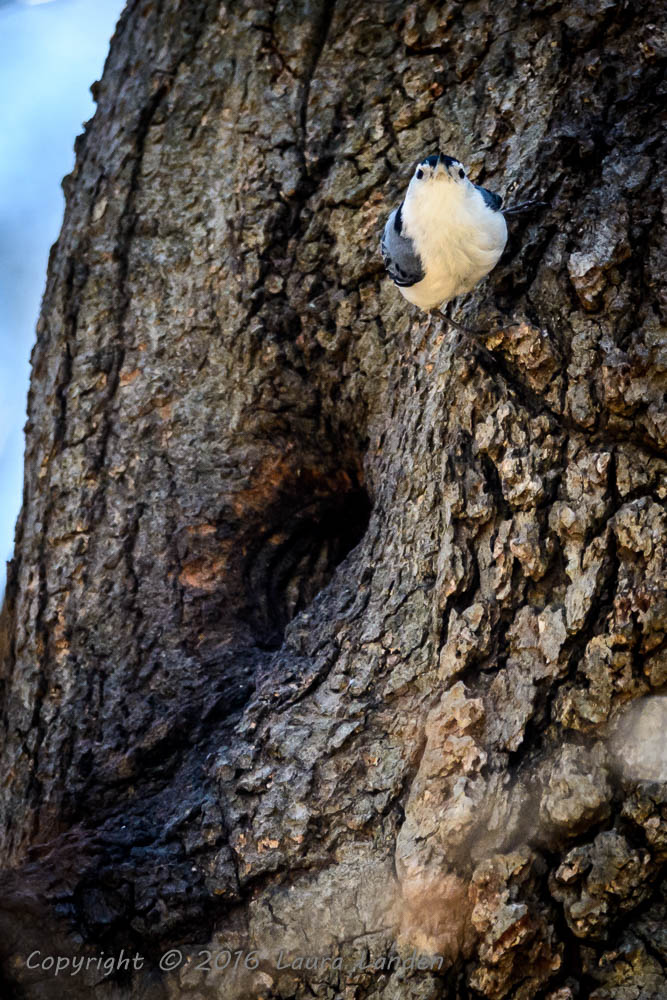
Speaking of cavity nesters, the White-breasted Nuthatch is another one. This little fellow flew in, landed on the tree, worked his way down the trunk (nuthatches are the only birds that do that), and stuck his head in to feed his mate. Of course that’s the shot I missed! Then he posted guard, as shown here.
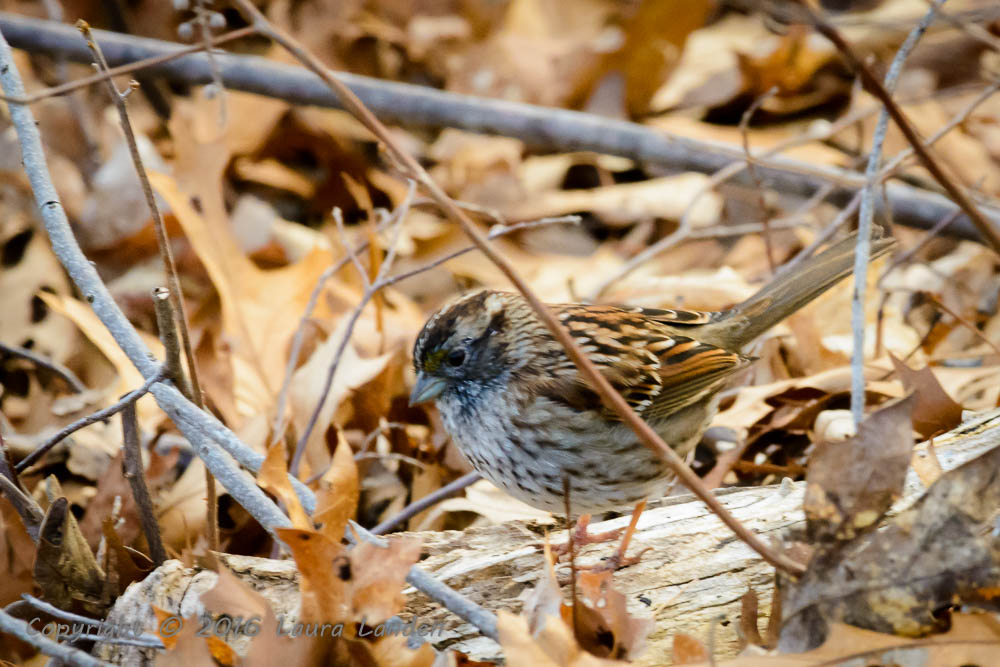
Sometimes photography is very useful in identifying the species to which a bird belongs. That was the case with this White-throated Sparrow. The white-throat, as it’s called, is primarily a winter visitor. Sometimes you hear it’s “Oh, sweet Canada, Canada, Canada” call in early spring. This one, seen in April, was a bit of a puzzle, as it is lighter than most individuals seen. It is a tan morph of the species, a less common color form. The trick to identification is the white throat and the yellow areas above the eyes, called lores.
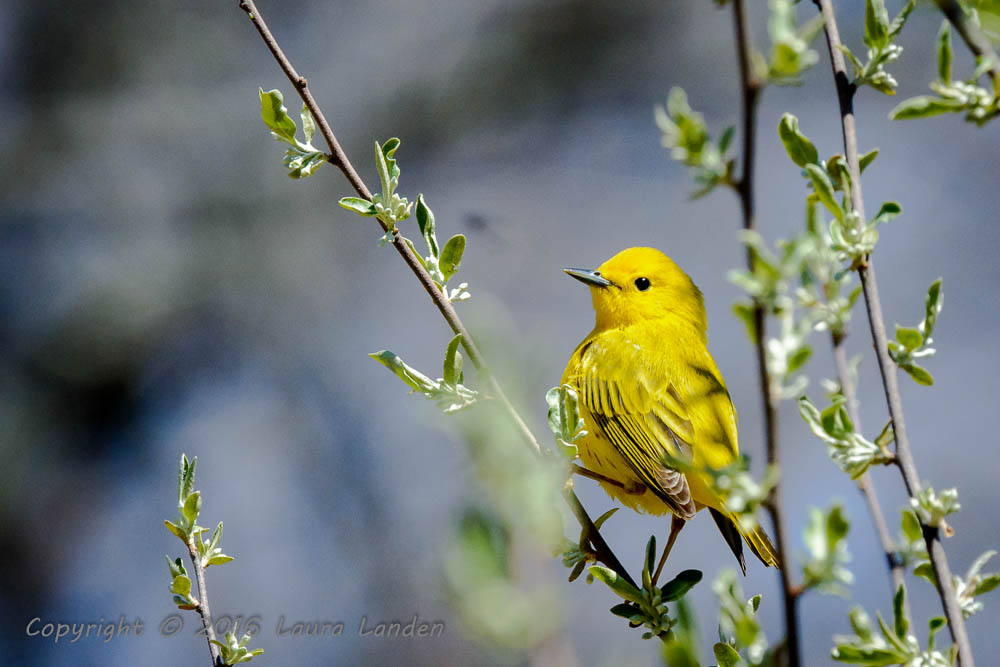
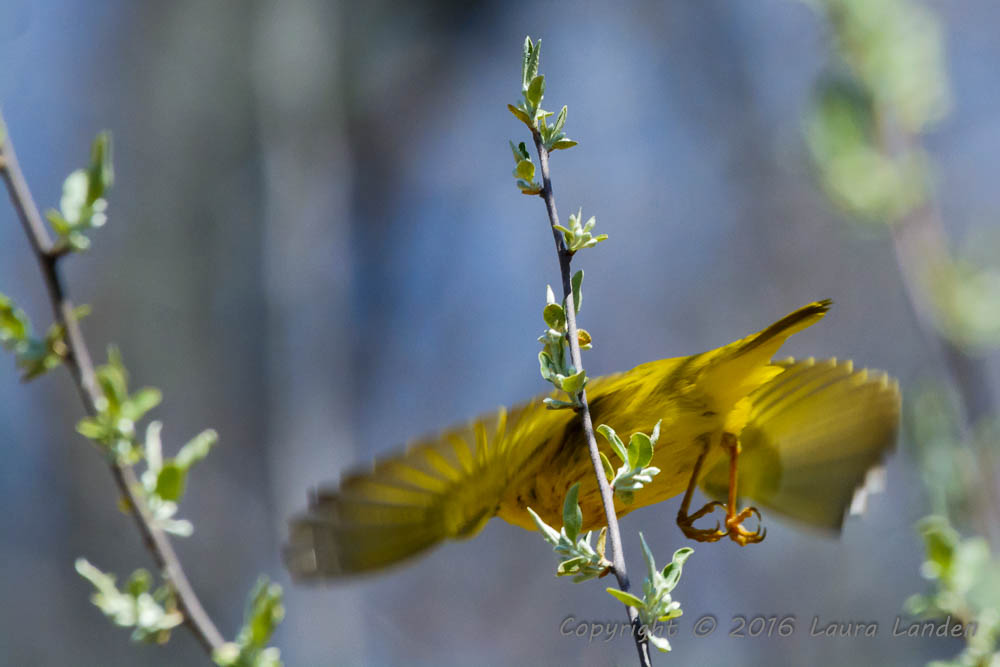
Yellow, that’s the word for the Yellow Warbler. This male was duking it out, song-wise, with another male. Both had recently arrived (they were the first of the species we’d seen for the season), and may well simply be passing through to more northern territories. Often the males arrive first, stake out territory, and wait for the females to arrive. Yellow Warblers are easy to spot, as they frequently stay at lower elevations than other warblers. My mother loved to hear their songs in the back yard: “Sweet, sweet, sweet, I’m so sweet.” This little guy hopped around in the bush for a bit before popping right out in the sun. Then, of course, he departed.
Leave a Reply